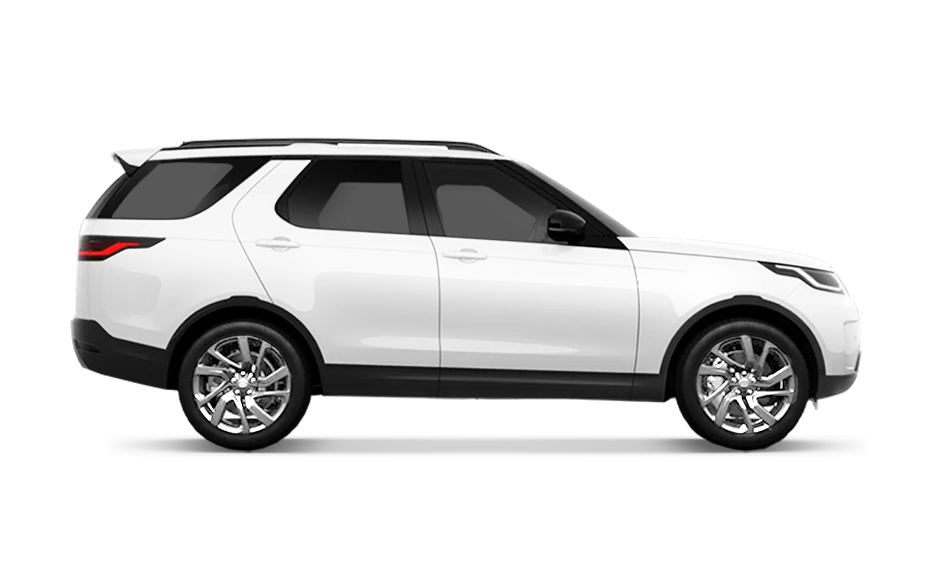
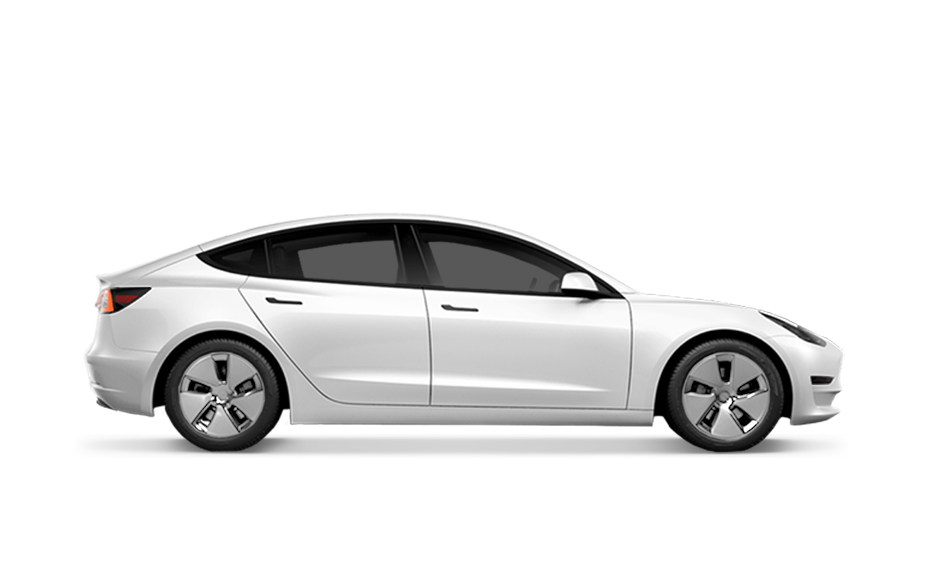
Looking for the best hybrid SUV? We compare Australia’s top hybrid SUVs for fuel economy, practicality and real-world value – plus suggest a smarter way to test drive before you commit.
We have a complicated relationship with fuel. We complain about petrol prices the way Melburnians complain about the weather; constantly, passionately and to anyone within earshot, yet we buy increasingly large vehicles and then act genuinely shocked when they consume petrol like popcorn at the movies.
Enter the hybrid SUV: the automotive equivalent of having your cake, eating it too, and then telling yourself it counts as a salad.
The hybrid SUV market in Australia has quietly (and then very loudly) exploded over the past few years, with demand for hybrid and EV cars in Perth and across the country growing rapidly. What was once a niche option for the environmentally anxious is now firmly mainstream with the Federal Chamber of Automotive industries highlighting a 15.3% year-on-year increase in hybrid car sales in 2025. But it’s not just popularity – the tech has grown up. You no longer have to sacrifice power, space or everyday practicality just to feel less guilty at the bowser.
That said, with prices stretching from around $35,000 to well north of $80,000 and every manufacturer insisting their hybrid is better than sliced bread – choosing the right one can feel overwhelming.
So we’re cutting through the fluff to give you a clear look at the best hybrid SUVs available in Australia right now. (And if seven seats are non-negotiable, head on over to our blog about the best large family SUVs and 7-seaters in Australia article.)
What makes a great hybrid SUV?
Before we dive into specific models, let’s be clear about what (we think) separates a good hybrid from a great one:
Genuine fuel savings: The whole point of a hybrid is to use less fuel. Some hybrids deliver dramatic savings; others are more marketing exercise than engineering triumph. We’ll focus on the ones that actually make a difference to your wallet.
No compromise on space: A hybrid powertrain shouldn’t eat into your boot space or passenger room. The best hybrids hide their batteries cleverly, giving you all the practicality of their petrol siblings.
Smooth power delivery: A great hybrid should feel refined, not like two different engines arguing about who’s in charge. The transition between electric and petrol power should be seamless.
Real-world reliability: Hybrid systems add complexity. The best ones have been proven over millions of kilometres and don’t leave you stranded with warning lights.
Hybrid vs Plug-In Hybrid: What’s the difference?
With all the various acronyms and powertrains in market, it’s worth understanding the two main types of hybrid you’ll encounter:
Conventional hybrids (HEV) use a petrol engine and electric motor together, with a small battery that charges automatically through regenerative braking. You never need to plug them in – they work exactly like a normal car, just with better fuel economy. Most vehicles in this guide are conventional hybrids.
Plug-in hybrids (PHEV) have larger batteries that charge from a wall socket or charging station. They offer 40-90km of pure electric range for daily commutes, then switch to hybrid mode for longer trips. The trade-off? Higher purchase price and home charging is an added consideration to get the full benefit.
For most families, a conventional hybrid offers the best balance – genuine fuel savings without changing your habits. PHEVs make sense if you have a short commute and can charge at home.
The Best Hybrid SUVs for 2026
Quick Comparison
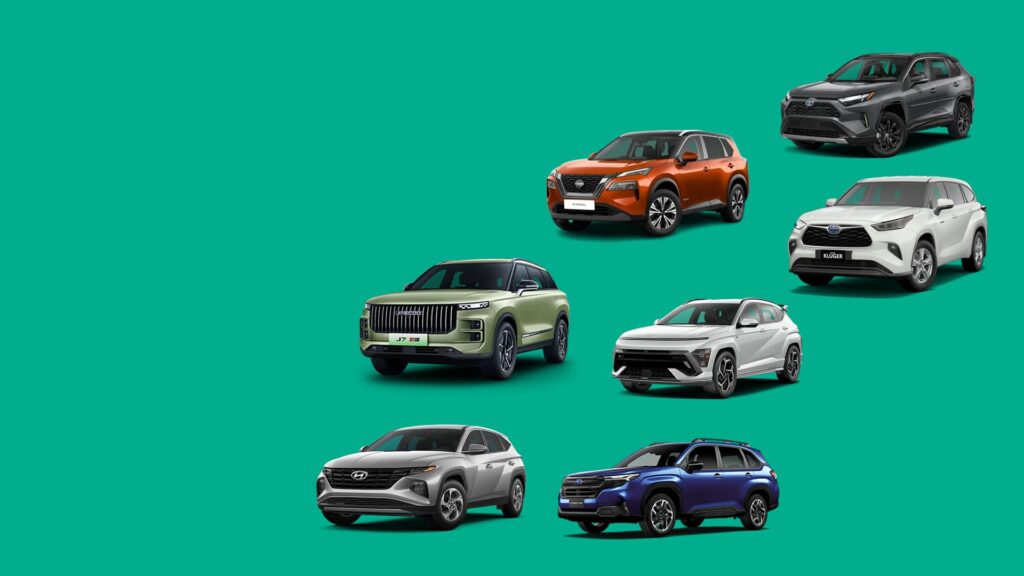
| Model | Fuel Economy (L/100km) (Combined) | Transmission | Boot space (L) | Best For |
| Toyota RAV4 Hybrid | 4.8 | eCVT | 542 | All-round performance |
| Hyundai Tucson Hybrid | 5.3 | 6AT | 582 | Features and style |
| Hyundai Kona Hybrid | 4.3 | DCT | 466 | City driving |
| Subaru Forester Hybrid | 6.2 | CVT | 484 | All-weather AWD |
| Nissan X-Trail e-Power | 6.1 | e-Power | 575 | EV-like driving |
| Toyota Kluger Hybrid | 5.6 | eCVT | 552 | Large families |
| Jaecoo J7 Hybrid | 5.9 | DHT | 412 | Budget AWD |
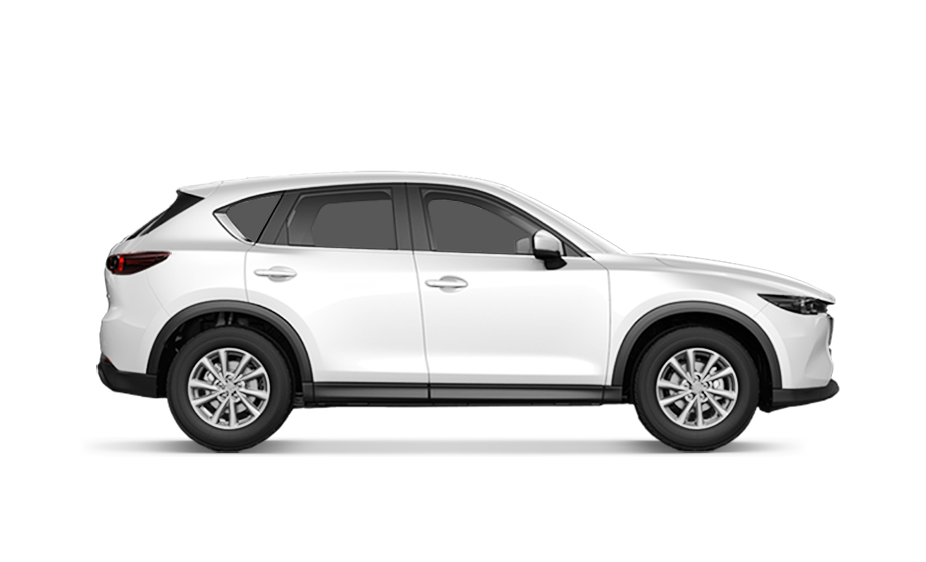
1. Toyota RAV4 Hybrid: Best All-Rounder
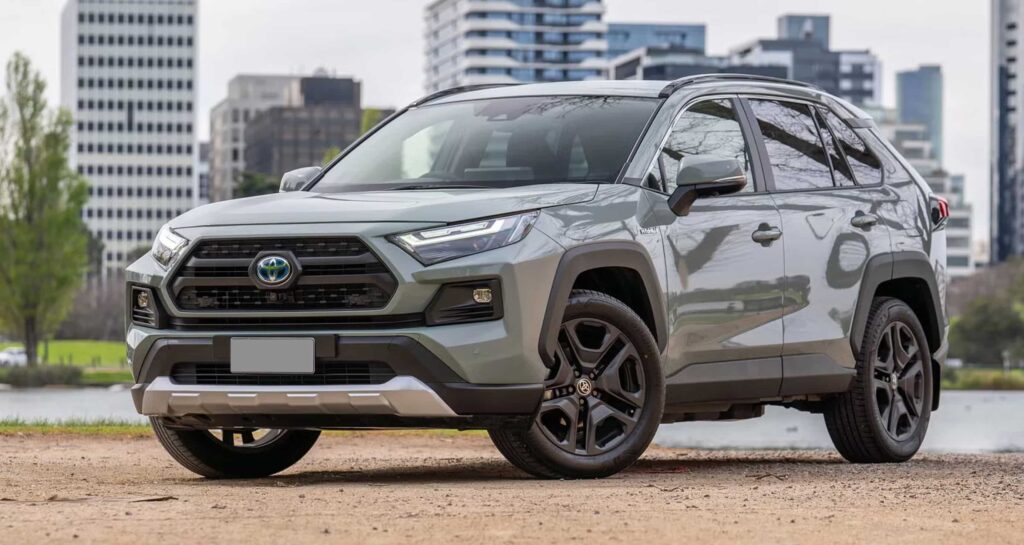
Price: from $45,490 (before on-road costs)
The Toyota RAV4 Hybrid is available in
 Sydneyfrom $320/weekView
Fuel economy: 4.8L/100km
Boot space: 542L
There’s a reason the Toyota RAV4 Hybrid is Australia’s best-selling SUV (by a comfortable margin). Actually, there are several reasons, and they all involve being annoyingly good at everything.
The 2.5-litre hybrid powertrain delivers 163kW of combined power – more than enough to feel genuinely quick off the mark. Around town, it’ll happily run on electric power alone at low speeds – the thing practically runs on the smell of an oily rag. On the highway, expect real-world consumption around 5-6L/100km, which is remarkable for a vehicle this size.
Inside, the cabin is well-finished with a logical layout that doesn’t require a PhD to operate. The boot is properly sized for family life, and Toyota’s reputation for reliability means you’ll likely still be driving it when your kids have kids.
Toyota offers a 7 year unlimited kilometre warranty paired with an industry gold standard 10-year unlimited kilometre battery warranty; subject to an annual battery check in the Toyota dealer network. Both great indicators of the vehicle’s real-world reliability.
The trade-off? While the RAV4 offers the best-proven reliability and fuel economy in this group, it lacks the interior “wow factor” found in the Tucson and the rugged all-weather grip of the Forester’s permanent AWD system. It prioritises sensible efficiency over the high-tech features or driving soul found in its competitors.
The catch? The infotainment system, while functional, feels a bit dated and lacks the high-definition crispness found in some newer rivals. However, the inclusion of wireless Apple CarPlay and Android Auto means you can bypass the native software and use your preferred navigation apps seamlessly on every journey.
To discover why the RAV4 Hybrid is Australia’s most popular SUV, you can always Karmo it before any kind of purchase commitment. Browse our hybrid and EV cars in Adelaide here.
2. Hyundai Tucson Hybrid: Best for Features
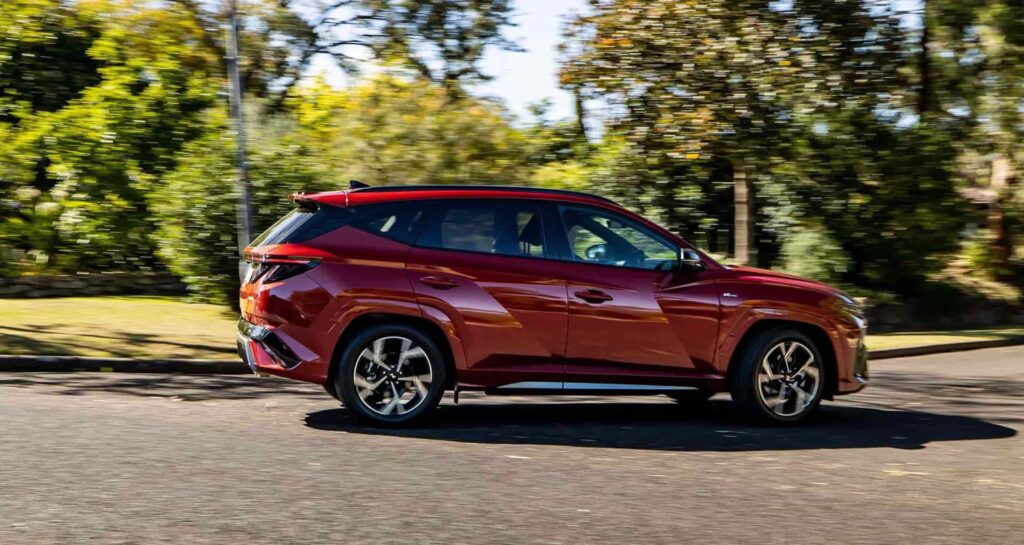
Price: from $52,500 (before on-road costs)
The Hyundai Tucson Hybrid is available in
- Sydneyfrom $320/weekView
Fuel economy: 5.3L/100km
Boot space: 582L
The Hyundai Tucson Hybrid proves that hybrids don’t have to be boring. With its angular, futuristic design and a cabin that looks like it belongs in a vehicle costing twice as much, the Tucson makes a statement.
The 1.6-litre turbo hybrid system produces 169kW – making it one of the more powerful hybrids in its class. It’s genuinely quick, and the 6-speed automatic transmission is well-suited to Australian conditions. Fuel economy sits around 5.3L/100km officially, with real-world figures closer to 6-7L/100km depending on your right foot.
But it’s the interior where the Tucson really shines. The twin 12.3-inch displays look spectacular, the materials are excellent, and the feature list reads like a technology showcase. Blind-spot cameras that display in the instrument cluster, a surround-view monitor and genuine luxury touches throughout.
The trade-off? The Tucson outclasses the RAV4 and Forester for interior technology, but it lacks the off-road capability provided by the Subaru or the legendary fuel-sipping efficiency of the Toyota and Kona. It is a tech-heavy city slicker rather than a rugged adventurer or a record-breaking fuel saver.
The catch? The heavy use of gloss-black “piano” plastic on the centre console is a magnet for fingerprints and dust, which can make the cabin look untidy quite quickly. However, this is a small price to pay for a cabin that otherwise feels like a genuine luxury lounge, packed with features usually reserved for much more expensive European brands.
3. Hyundai Kona Hybrid: Best City Hybrid SUV
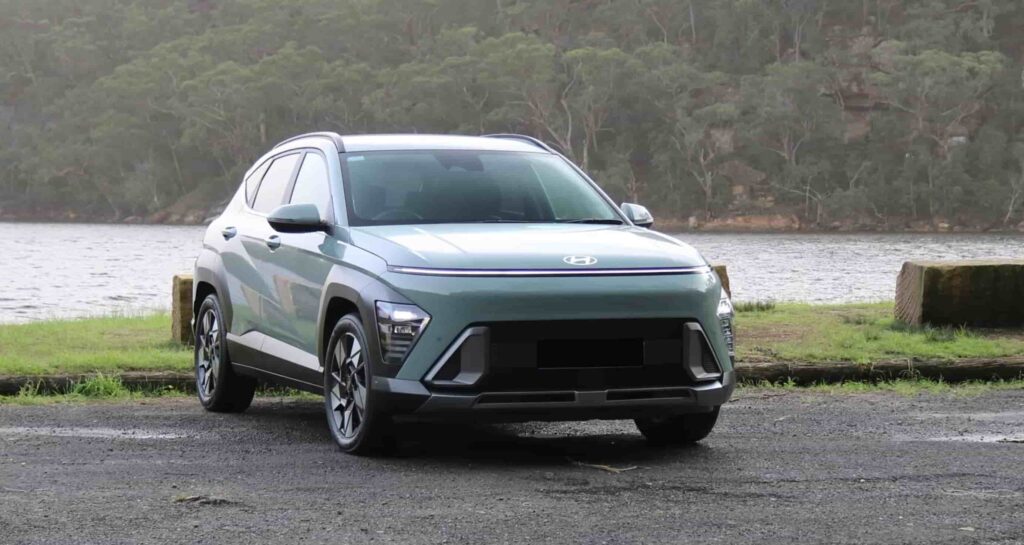
Price: from $41,500 (before on-road costs)
Fuel economy: 4.3L/100km
Boot space: 466L
The Hyundai Kona Hybrid is proof that good things come in small packages. If you spend most of your time navigating city traffic rather than crossing the Nullarbor, this compact hybrid makes an enormous amount of sense.
The 1.6-litre hybrid powertrain delivers 104kW, which is adequate for urban duties and surprisingly capable on the highway. But it’s the fuel economy that steals the show – official figures of 4.3L/100km translate to around 5L/100km in real-world city driving. That’s a small-car economy in a proper SUV body.
The compact dimensions mean easy parking and effortless manoeuvrability, while the elevated seating position gives you that SUV command of the road. Inside, Hyundai hasn’t skimped – you still get a quality cabin with modern tech features.
The trade-off? While it beats every other car on this list for fuel economy and ease of parking, the Kona sacrifices the sheer family hauling space of the RAV4 or X-Trail and the all-terrain confidence of the Forester. It is a specialist tool for the city, not a multi-purpose family tourer.
The catch? The entry-level audio system can sound a little thin and lacks the deep bass response audiophiles might hope for. However, the cabin is so impressively quiet and well-insulated from city noise that you can still enjoy your podcasts and radio clearly without having to crank the volume.
4. Subaru Forester Hybrid: Best for All-Weather Confidence
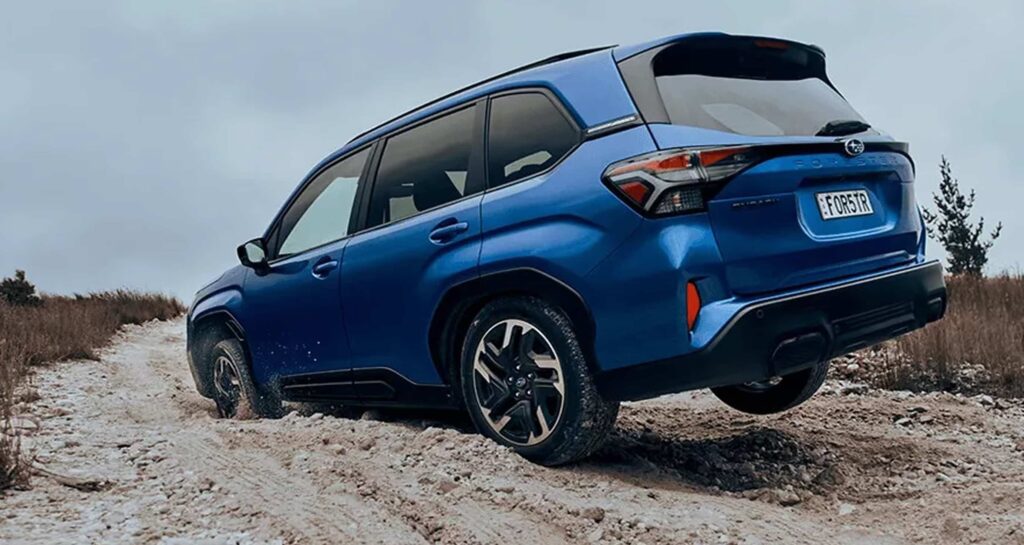
Price: from $47,490 (before on-road costs)
Fuel economy: 6.2L/100km
Boot space: 484L
The Subaru Forester has always been the sensible choice for Australians who occasionally venture beyond sealed roads. Add the 2026 hybrid powertrain and you’ve got a vehicle that’s practical and reasonably efficient.
What sets the Forester apart is Subaru’s symmetrical all-wheel drive system – standard across the range. This isn’t a system that kicks in when things get slippery; it’s working all the time, delivering confidence in rain, on gravel or when the campsite access track is muddier than expected.
The new 2026 Forester Hybrid features a 2.5-litre engine paired with an 88kW electric motor. Combined fuel consumption at 6.2L/100km is respectable for a permanent AWD vehicle (an impressive 21% reduction in fuel consumption on the previous generation).
The trade-off? The Forester provides far superior off-road confidence compared to the front-wheel-drive Tucson or Kona, but its hybrid system is less efficient than the RAV4. You are choosing mechanical capability and grip over the cutting-edge fuel savings or sleek digital interiors found in its rivals.
The catch? The foot-operated park brake feels like a bit of a throwback to an older era of car design and can be a little clunky to engage. However, once you experience the sheer visibility and “glasshouse” feel of the cabin, you’ll likely find that the Forester’s class-leading safety and outward views far outweigh any minor ergonomic quirks.
The Forester Hybrid is available on Karmo in Brisbane and Adelaide from $315/week – perfect for anybody who wants all-weather capability without the running costs of a traditional 4×4. It’s just one of many hybrid and EV cars in Brisbane and Adelaide available through Karmo.
5. Nissan X-Trail e-Power: Best for EV-Like Driving
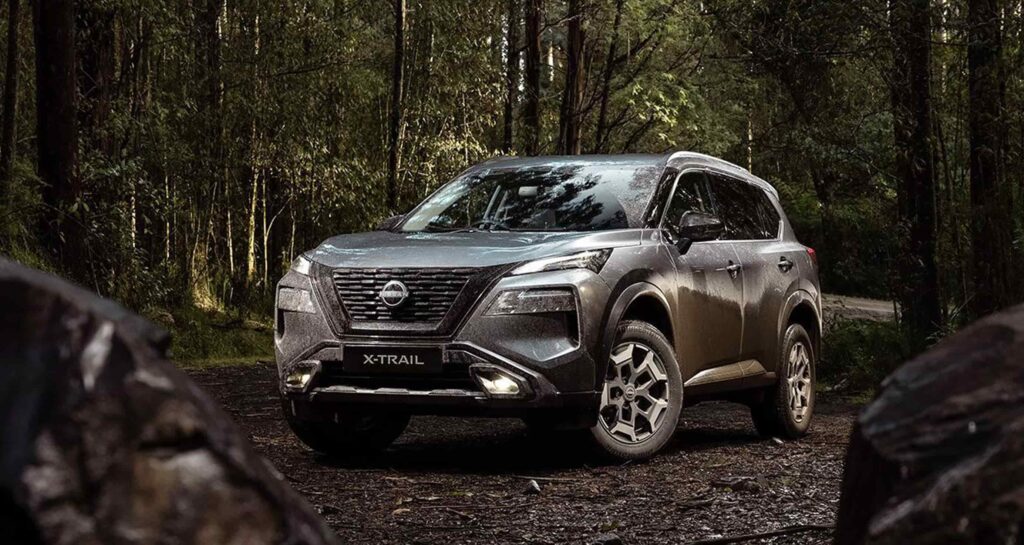
Price: from $47,765 (before on-road costs)
Fuel economy: 6.1L/100km
Boot space: 575L
The Nissan X-Trail e-Power just won Wheels’ Best Medium SUV 2025: Hybrid – and it’s easy to see why. This isn’t your typical hybrid. Nissan’s e-Power system uses the petrol engine solely as a generator; the wheels are always driven by electric motors. The result is EV-like smoothness and instant torque, without range anxiety.
The dual-motor e-4ORCE all-wheel drive system produces a combined 157kW, split between front and rear axles. It’s genuinely quick off the mark and handles with surprising agility thanks to the intelligent torque distribution. Official fuel economy (combined) is 6.1L/100km, with real-world figures around 7L/100km.
Inside, the X-Trail offers a spacious, modern cabin with Nissan’s latest tech. The five-seat layout provides 575L of boot space which is highly capable for family duties.
The trade-off? The X-Trail delivers a much smoother, more “electric” driving experience than the RAV4 or Forester, but it cannot match their lower fuel consumption figures. You’re trading away ultimate efficiency for the refined, silent, and punchy performance typical of a full EV.
The catch? Unlike the petrol-only models, the e-Power version lacks a spare tyre, opting for a repair kit instead to make room for the hybrid components. However, this trade-off allows for the incredible e-4ORCE AWD system, which provides such superior grip and stability that you’re far less likely to find yourself in a tricky situation on the road.
6. Toyota Kluger Hybrid: Best 7-Seater Hybrid
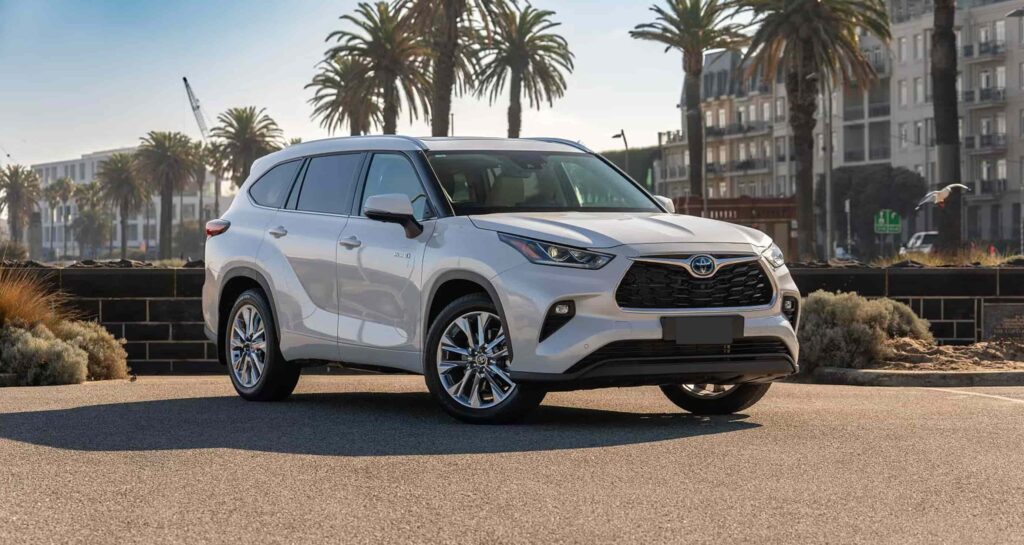
Price: from $65,500 (before on-road costs)
The Toyota Kluger Hybrid is available in
- Sydneyfrom $385/weekView
Fuel economy: 5.6L/100km
Boot space: 552L (7 seats) / 1,150L (5 seats)
If you need seven seats and hybrid efficiency, the Toyota Kluger Hybrid is essentially the only mainstream choice.
The 2.5-litre hybrid system produces 184kW and delivers an official fuel economy of just 5.6L/100km. On the highway, it’s whisper-quiet and comfortable, making it ideal for interstate family trips where the savings really add up.
Inside, the Kluger offers a spacious cabin with Toyota’s latest infotainment system. The second row genuinely accommodates adults, and the third row is usable for older children. It’s not a rugged off-roader, but for suburban family duties and holiday road trips, it excels.
The trade-off? The Kluger is the king of space compared to the RAV4 or X-Trail, but it feels significantly heavier and less agile. While it offers more seats than any other car on this list, it lacks the “budget-friendly” appeal of the Jaecoo or the park-anywhere convenience of the Kona.
The catch? Accessing the third row of seats can be a bit of a squeeze for adults as the opening isn’t as wide as some larger, boxier SUVs. However, once settled, the cabin is so spacious and the ride so smooth that the Kluger remains the absolute gold standard for comfortable long-distance family travel.
7. Jaecoo J7 Hybrid: Best Budget Option
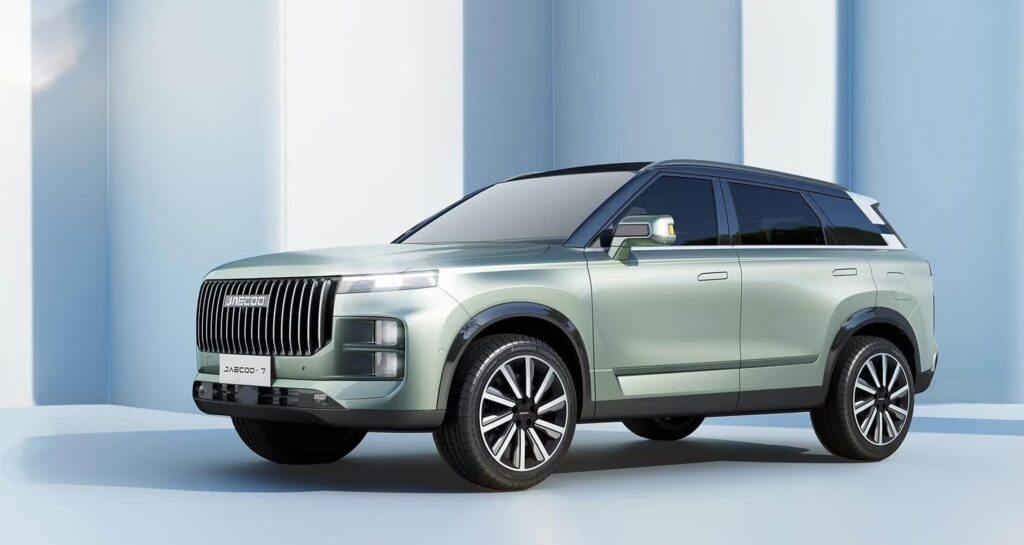
Price: from $44,990 (before on-road costs)
The Jaecoo J7 SHS Hybrid is available in
- Sydneyfrom $310/weekView
Fuel economy: 5.9L/100km
Boot space: 412L
The Jaecoo J7 Hybrid represents a new wave of manufacturers delivering genuine value. For buyers wanting hybrid efficiency without the premium price tag, the J7 is worth serious consideration.
The 1.5-litre turbo hybrid system produces a combined 180kW and 525Nm of torque – impressive numbers that translate to confident real-world performance. The full-time AWD system handles varied conditions with ease, from suburban streets to light off-road duties.
Inside, the J7 punches above its weight with quality materials, a large infotainment screen, and a comprehensive feature list that rivals vehicles costing $15,000 more.
The trade-off? The J7 offers much more “luxury for your dollar” than the base-model RAV4 or Forester, but it lacks their established history of resale value. It provides more power than the Kona, but at the cost of significantly higher fuel consumption and a much smaller boot than the Tucson.
The catch? The indicator stalks and steering wheel buttons feel a little more lightweight and “plasticky” compared to the heavy-duty switchgear in a Toyota or Subaru. However, when you look up at the massive panoramic sunroof and the high-end digital display, you’ll realize the value has simply been invested into the features that truly elevate your daily driving experience.
Avoid letting warranty dictate your SUV choice
Here’s something traditional car reviews won’t tell you: if you’re subscribing rather than buying, warranty length becomes irrelevant. Most car brands differentiate their offerings through warranty, but with Karmo, servicing, maintenance and repairs are all included in your subscription fee. The 7-year warranty on a Toyota versus the 5-year warranty on a Hyundai don’t matter – you’re covered no matter your choice. This changes the decision process entirely.
Not Sure Which Hybrid is Right for You? Try Before You Buy
Here’s the thing about hybrids: the fuel savings look great on paper, but the real question is whether a hybrid suits your driving style. Do you do enough city driving for the electric motor to make a difference? Is the boot big enough for your life? Does the power delivery feel natural to you?
A 20-minute test drive won’t answer these questions. Living with a vehicle for a few months will. (The same logic applies to full EVs – read our guide on how to trial an EV before you buy.)
That’s where a car subscription makes sense.
With Karmo, you can subscribe to hybrid SUVs like the Tucson Hybrid, RAV4 Hybrid, or Kona Hybrid on flexible terms. Whether you’re looking at a hybrid and EV car subscription in Sydney or any other city, drive it for a few months. See how the vehicle fits into your needs and stacks up against your commute. Then decide.
Why subscribe instead of buy?
- No large upfront costs: Skip the deposit, stamp duty, and dealer negotiations.
- All-inclusive weekly fee: Insurance, registration, servicing, and roadside assistance included.
- Swap when your needs change: Started with a compact hybrid but need more space? Switch up.
- 30-day flexibility: Cancel or change with 30-days notice.
- Always drive a new car: Karmo vehicles all have under 15,000km.
The Bottom Line
The best hybrid SUV depends entirely on your priorities.
If you want proven reliability and genuine all-round excellence, the Toyota RAV4 Hybrid is the obvious choice – Australia’s best-seller for good reason.
If you want cutting-edge features and head-turning style, the Hyundai Tucson Hybrid delivers exceptional value.
For city-focused families who don’t need maximum space, the Hyundai Kona Hybrid offers excellent fuel economy and the lowest subscription cost on Karmo.
If you want all-wheel drive confidence for weekend adventures, the Subaru Forester Hybrid is the answer.
If you want EV-like driving without range anxiety, the Nissan X-Trail e-Power brings something genuinely different to the market.
And if you need seven seats with hybrid efficiency, the Toyota Kluger Hybrid is essentially the only game in town – and a very good one.
For buyers seeking value with AWD capability, the Jaecoo J7 Hybrid offers compelling features at a competitive price point.
The great news? Before spending $40,000 to $70,000 on a vehicle you’ll be committed to for years, Karmo lets you properly live with your preferred hybrid through subscription. With a hybrid and EV car subscription in Melbourne and across Australia’s major cities, a few months behind the wheel tells you more than any review ever could.