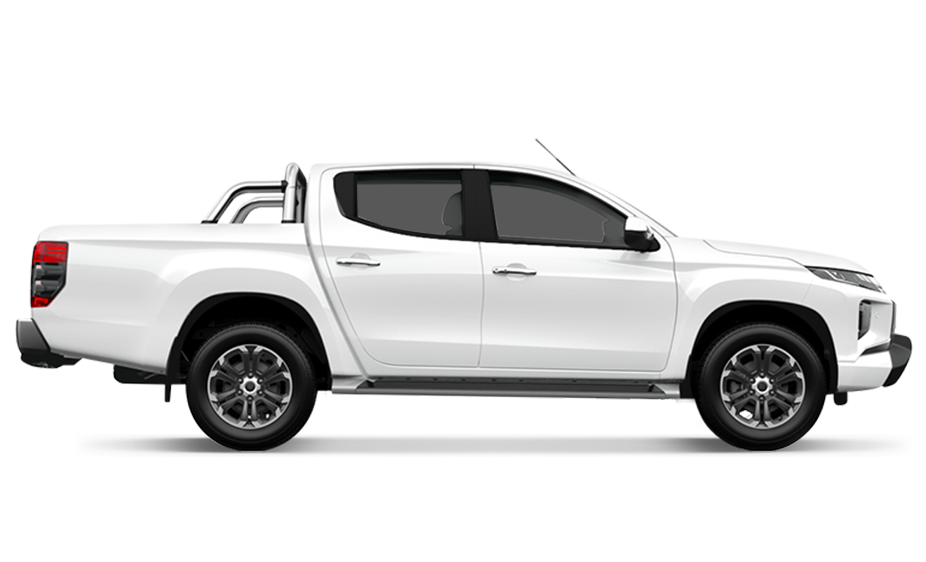
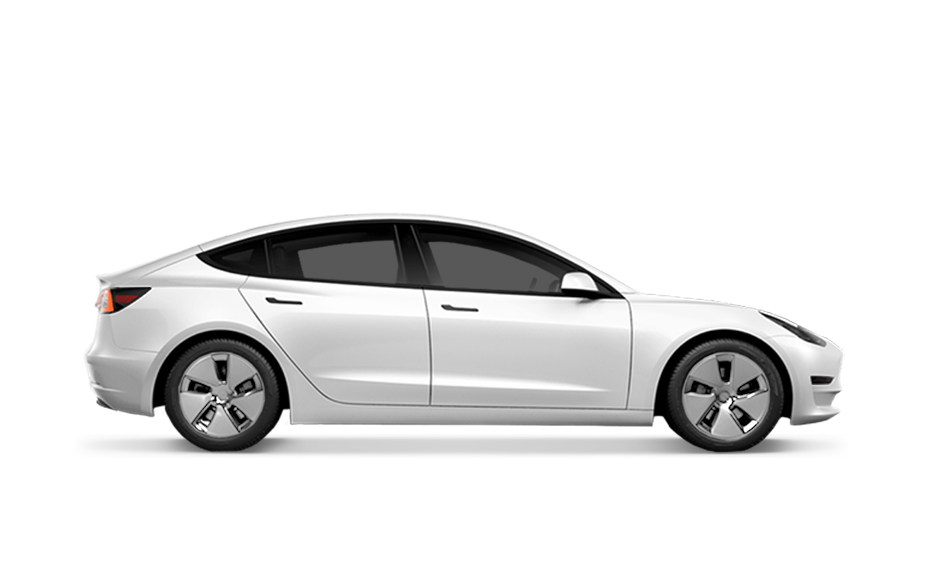
Hybrids have gone from ‘interesting experiment’ to ‘why wouldn’t you?’ Here’s why 2026 is the year to make the switch – and how to do it without the commitment.
Let’s be honest: the car market right now feels like standing in the cereal aisle at Woolies, except every box costs $50,000 and makes different promises about why it’s the best choice for you and the environment.
Petrol? Still works, but you wince every time you fill up. Diesel? Increasingly hard to find in new vehicles and carries a vague sense of environmental guilt. Full electric? Brilliant in theory, but you’ve done the mental maths on your apartment’s lack of charging and your annual trip to see the in-laws.
Enter the hybrid: the Goldilocks option that’s been quietly perfecting itself while everyone argued about EV vs petrol.
Here’s the thing – hybrids aren’t new. Toyota’s been making them since 1997. But the hybrids of 2026 are a different beast entirely. They’re faster, more efficient, and more refined than ever before. The technology has matured. The prices have come down. And crucially, the fuel savings actually make sense now.
If you’ve been sitting on the fence, wondering whether a hybrid is worth it, this is the year to find out. Here’s why.
1. Protect yourself from global fuel price volatility
If the last few years have taught us anything, it’s that petrol prices are predictably unpredictable. In early 2026, while global supply has increased, local prices remain sensitive to everything from shipping disruptions in the Strait of Hormuz to the strength of the Australian dollar.
As the ACCC’s September Quarter 2025 report highlights, Australian pump prices often remain high even when global crude prices dip, thanks to international refining margins and local price cycles.
By switching to a hybrid, you aren’t just saving fuel; you’re significantly reducing your exposure to these domestic price that the ACCC noted are hitting the ‘highest levels since 2022’ in some capital cities. A hybrid cushions the blow of these market swings. Think of it as a diversified portfolio for your driveway. Because a hybrid like the Toyota RAV4 uses nearly 40% less fuel than its petrol counterpart (4.8L/100km vs 7.5L/100km), you are 40% less exposed to the next price hike. Drivers exploring a hybrid car subscription in Melbourne are already seeing these savings firsthand.
When petrol jumps by 30 cents overnight, the “fuel shock” is halved. For a standard petrol SUV driver, that spike might mean an extra $15 at the pump; for you, it’s just $8. By significantly lowering your total consumption, a hybrid effectively de-risks your weekly budget and turns a “budget-breaking” spike into a minor inconvenience.
2. No charging infrastructure required
This is the elephant in the room for EVs, and it’s not going away as fast as the brochures promised.
Yes, public charging networks are expanding. Yes, home charging is convenient if you have a garage. But for the millions of Australians who live in apartments, rent their homes, or regularly drive long distances, charging remains a genuine hassle.
Hybrids (specifically HEVs rather than PHEVs) sidestep this entirely. You fill them up at any servo, exactly like you’ve always done. The battery charges itself through regenerative braking and the petrol engine. There’s no range anxiety, no planning your route around charging stations, no arriving at a charger to find it broken or occupied.
This alone makes hybrids the practical choice in 2026. The EV future is coming, but the hybrid present is here – no infrastructure required. Whether you’re looking at a hybrid car subscription in Sydney or anywhere else in Australia, you can start driving one today. Here’s our list of the best hybrid SUVs for 2026.
3. The technology has matured
Early hybrids had a reputation for being underpowered, weird to drive, and expensive to repair. Fair enough – they were first-generation technology.
That was two decades ago.
Today’s hybrids are genuinely refined. The Hyundai Tucson Hybrid produces 169kW – more powerful than most petrol SUVs ten years ago. The transition between electric and petrol power is seamless. You don’t feel like you’re driving something experimental; you feel like you’re driving a normal car that happens to use less fuel.
More importantly, reliability data now spans millions of vehicles and billions of kilometres. Toyota’s hybrid system, in particular, has proven bulletproof, and is backed by their 10-year unlimited kilometre warranty. The batteries last the life of the vehicle. The repair horror stories never materialised. It’s no surprise that a hybrid car subscription in Brisbane has become one of the most popular ways to experience this proven technology.
4. Get access to the latest features first
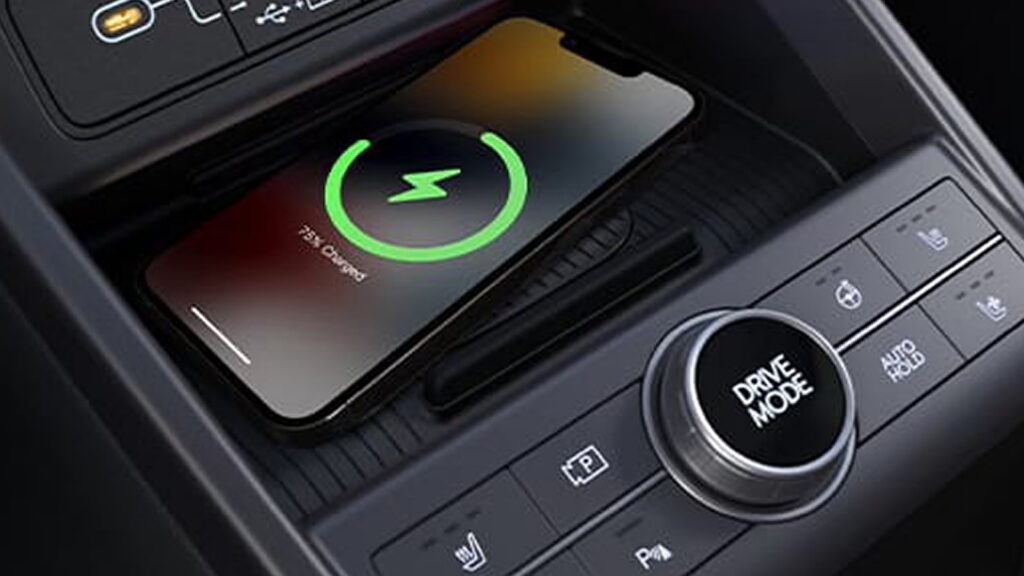
If you wanted the best tech five years ago, you had to buy a flagship luxury sedan or a high-end EV. In 2026, the script has flipped. Major manufacturers like Toyota, Hyundai, and Kia are now treating hybrids as their “hero” models, packing them with premium features you often won’t find on the base petrol versions.
Manufacturers are no longer treating hybrids as a niche fuel-saver; they are the high-performance, high-tech centerpieces of the showroom.
- Hyundai’s “Baby Mode” & e-Motion Drive: In the 2026 Hyundai Tucson and Palisade Hybrids, you get exclusive tech like “Baby Mode,” which softens initial acceleration for a smoother ride for passengers. Their e-Motion Drive system uses the electric motor to actively control vehicle stability and vibrations, tech that’s physically impossible on a standard petrol engine.
- Toyota’s Next-Gen Cockpit: The 2026 RAV4 Hybrid debuts the brand’s latest Arene software platform, featuring massive dual 12.3-inch displays and a “Cloud First” navigation system that updates over-the-air. Many of these high-definition displays and advanced “Smart Connect” features are reserved specifically for the hybrid grades.
- Kia’s Remote Smart Parking: Models like the 2026 Kia Sportage Hybrid now feature Remote Smart Parking Assist, allowing you to move the car in and out of tight spaces using just the key fob – a feature once reserved for $100k+ luxury cars, now standard on many high-grade hybrids.
By choosing a hybrid in 2026, you aren’t just getting a better engine; you’re getting the most advanced safety suites, the sharpest screens, and the smartest software the industry has to offer. Drivers exploring a hybrid car subscription in Perth can experience these features without the long-term commitment of buying.
5. You get the space and practicality you actually need
One of the early criticisms of hybrids was that the battery ate into boot space or rear legroom. That’s largely been engineered away.
Modern hybrids hide their batteries under the floor or rear seats, preserving the practicality of their petrol siblings. The RAV4 Hybrid has 542 litres of boot space – identical to the petrol version. The Hyundai Kona Hybrid offers 466 litres, competitive with any small SUV.
You’re not sacrificing family practicality for fuel efficiency. You’re getting both. Families looking at a hybrid car subscription in Adelaide can see the full range of spacious options available
If space is your primary concern, here’s our list of the best 7 seater SUVs in Australia that will help you choose the best SUV based on your needs.
Hybrid vs Petrol vs Diesel vs EV: How do they compare?
Let’s cut through the noise with a direct comparison:
| Factor | Petrol | Diesel | Hybrid (HEV) | Full EV |
| Fuel/energy cost | High | Medium | Low | Lowest |
| Purchase price | Lowest | Medium | Medium | Highest |
| Range anxiety | No | No | No | Yes |
| Charging | No | No | No | Yes |
| Emissions | Highest | Med-High | Low | Zero* |
| Availability | Excellent | Declining | Good | Growing |
| Technology maturity | Proven | Proven | Proven | Improving |
| Resale value | Average | Declining | Strong | Uncertain |
*Zero tailpipe emissions
The takeaway:
Hybrids offer the best balance for most Australian drivers in 2026. Lower running costs than petrol or diesel, without the infrastructure demands of EVs. A conclusion reached by almost 200,000 customers (16.5% of the new car market) in Australia in 2025 with a huge increase in representation.
Hybrids in 2026 aren’t a compromise – they’re the sweet spot.
You get genuine fuel savings without changing how you drive. You get lower emissions without range anxiety. You get proven technology without the infrastructure headaches of full EVs. And you get vehicles that are genuinely good to drive, not glorified science experiments.
The question is no longer, why drive a hybrid? It’s why wouldn’t you?
And if you’re not ready to commit $45,000+ to find out, then that’s exactly what subscription is for. A few months with a hybrid will tell you more than any article ever could – including this one.
Which hybrid is right for you?
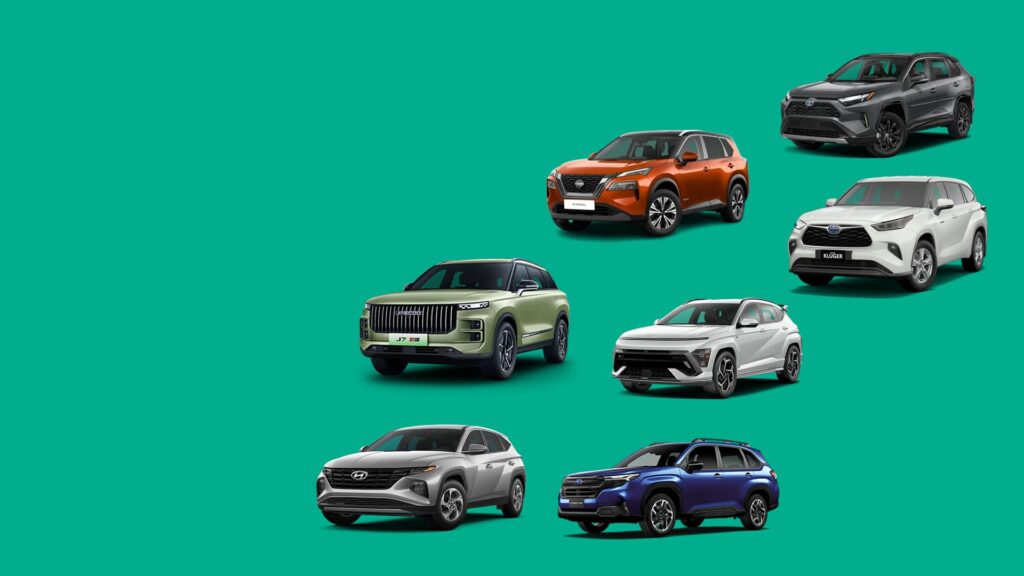
Not all hybrids are created equal. Here’s a quick guide based on your priorities:
Best fuel economy: Toyota Yaris Cross Hybrid – 3.0L/100km is as good as it gets
Available in:
 Sydneyfrom $279/weekView
Best all-rounder: Toyota RAV4 Hybrid – Australia’s best-selling SUV for good reason
The Toyota RAV4 Hybrid is available in:
- Sydneyfrom $320/weekView
Best features: Hyundai Tucson Hybrid – premium tech at a reasonable price
The Hyundai Tucson Hybrid is available in:
- Sydneyfrom $320/weekView
Best for city driving: Hyundai Kona Hybrid – compact, efficient, easy to park
Best all-weather confidence: Subaru Forester Hybrid – symmetrical AWD as standard
Best 7-seater: Toyota Kluger Hybrid – family hauler with hybrid efficiency
The Toyota Kluger Hybrid is available in:
- Sydneyfrom $385/weekView
For a detailed comparison of specific models, see our guide to the best hybrid SUVs in Australia for 2026.
The smarter way to go hybrid: Try before you commit
Here’s the honest truth: reading about hybrids only gets you so far.
You can study the fuel economy figures, compare the specs, and read every review online, but the real question – does a hybrid suit my life? – can only be answered by living with one.
How much do you actually save on fuel with your specific commute? Is the boot big enough for your weekend adventures? Does the power delivery feel natural to you? A 15-minute test drive won’t tell you. A few months behind the wheel will.
This is where car subscription changes everything.
With Karmo, you subscribe to a hybrid SUV on flexible terms. Drive it for a few months. Track your actual fuel savings. See how it fits your life. Then decide whether to keep going, switch to a different model or buy with complete confidence.
Why subscribe to try a hybrid?
- No large upfront cost – skip the deposit and stamp duty
- All-inclusive weekly fee – insurance, rego, servicing, roadside assist included
- Swap if your needs change – started with a Kona but need more space? Switch to a RAV4
- 30-day flexibility – cancel or change with 30-days notice
- Always drive a new car – Karmo vehicles all have under 15,000km