The Australian new car market just had its third record year in a row. Over 1.2 million vehicles sold in 2025, and here’s the number that should stop you mid-scroll: Chinese-owned brands now account for roughly 17% of total sales- up from just 2.7% in 2020.
Let that sink in. Five years ago, they were a rounding error. Now they’re eating almost a fifth of the market.
Most people know about BYD. Hard to miss when a brand grows 156% in a year and starts outselling Nissan and Volkswagen like they’re standing still. But BYD isn’t the only game in town. Behind the headlines, a wave of brands are winning over Australian buyers with a proposition so simple it’s almost offensive: more car, more tech, less money- and hybrid and electric powertrains that established brands are still scrambling to match.
In March 2026, China became Australia’s largest source of new vehicles for the first time in a single month, according to figures released by the Federal Chamber of Automotive Industries. So who are these brands, who are they actually for, and should you seriously consider one? Let’s find out.
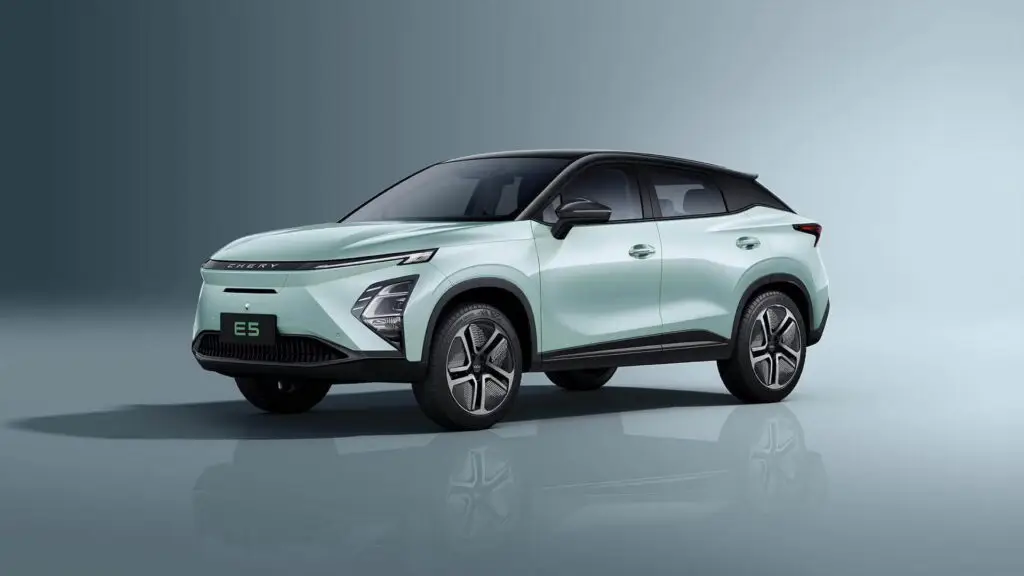
1. Chery – The value champion
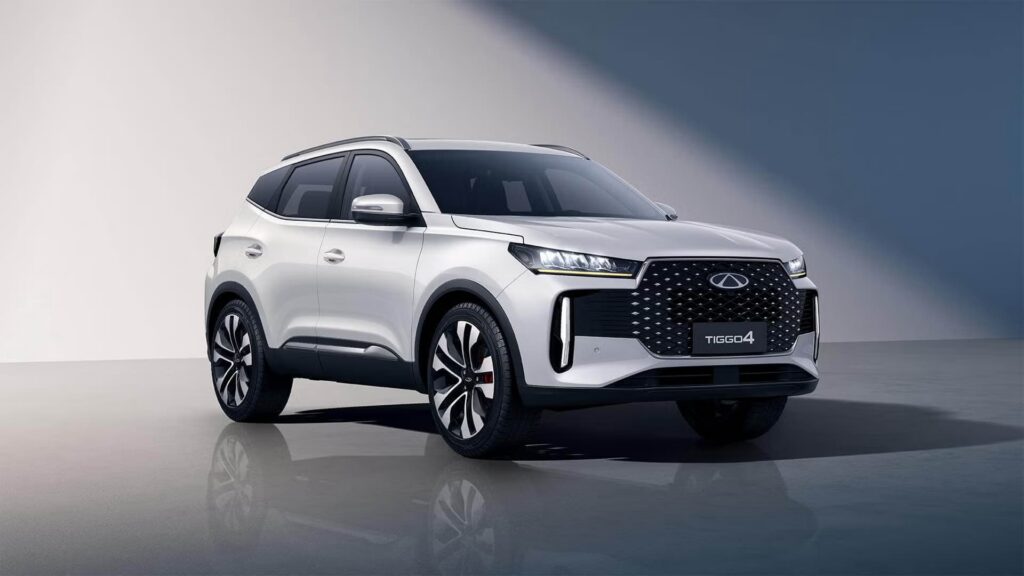
Since hitting the top 10 in August 2025, it has crept up the list. According to Vfacts data, Chery witnessed a 176 % YoY growth in 2025 and the Tiggo 4 which did the bulk of heavy lifting saw a 950% YoY increase. Chery isn’t growing – it’s accelerating like someone left the handbrake off on a hill.
Who it’s for
First-time buyers, young families, and anyone who’s watched RAV4, X-Trail and CX-5 prices climb year after year. Chery built its entire Australian strategy around this exact moment.
Where it dominates
Budget SUVs with spec sheets that don’t make sense for the price. Chery has made its mark by offering equipment levels you’d expect at $35,000+ for prices starting under $24,000.
The Tiggo 4 – their best-seller – is among Australia’s top-selling SUVs. The hybrid push is where things get interesting. The Tiggo 4 Hybrid is potentially the most affordable hybrid SUV in Australia.
The Chery Tiggo 4 is available in:
 Sydneyfrom $255.00/weekView
The Tiggo 7 Super Hybrid offers 93km of pure electric range for under $40,000 – thousands less than Japanese competitors. And the 7-seat Tiggo 8 Super Hybrid undercuts every rival by at least $8,000. At some point, you have to stop calling it ‘budget’ and start calling it ‘smart’.
Key models
| Model(Urban trim) | From (drive-away pricing) | Best For |
| Tiggo 4 | $23,990 | Budget-friendly city SUV |
| Tiggo 4 Hybrid | $29,990 | Most affordable hybrid SUV |
| C5 (Omoda 5) | $29,990 | Style-conscious younger buyers |
| Tiggo 7 Super Hybrid | $39,990 | Mid-size PHEV value |
| Tiggo 8 Super Hybrid | $45,990 | 7-seat PHEV under $50K |
Pricing as of April 2026
Coming soon: A dual-cab ute with a world-first 2.5L turbo-diesel PHEV drivetrain is slated for Q4 2026 – which could shake up the ute market the same way Chery has disrupted budget SUVs.
2. GWM – The all-rounder
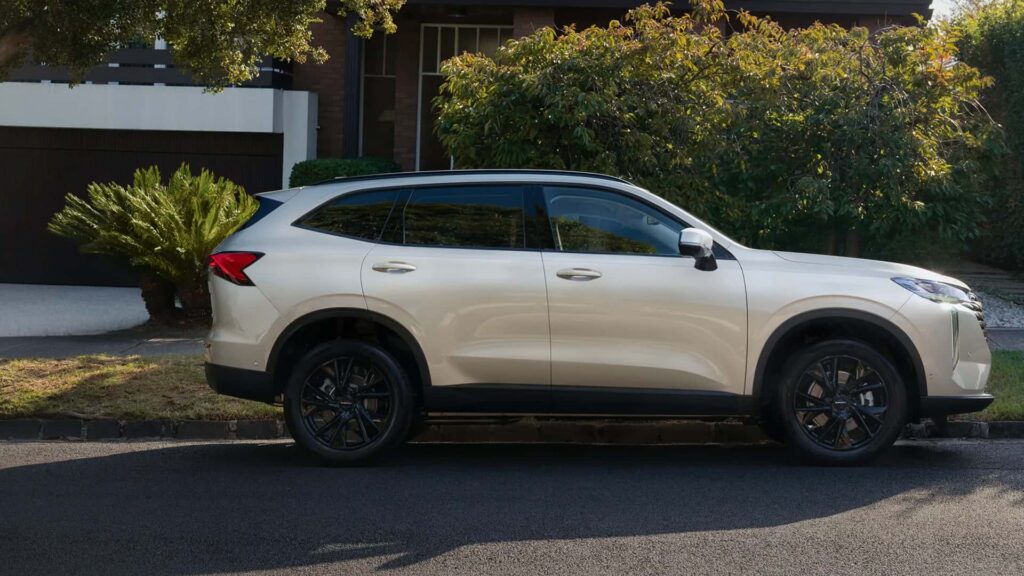
The numbers are hard to argue with. GWM was the top-selling Chinese brand in 2025, delivering a 23% YoY increase in sales… and it hasn’t stopped – they have continued to grow with an impressive 28% increase in sales in Q1 2026. Over 200,000 total sales in Australia since 2009. They’re not knocking on the door anymore, they’re rearranging the furniture.The hybrid range is impressive. Six electrified SUV models – one of the broadest hybrid lineups of any brand in Australia – full stop. The Haval H6 Lux HEV won WhichCar’s Best Medium SUV Value award, and the plug-in hybrid options across Haval and Tank deliver real electric-only driving for daily commutes.
Who it’s for
Families and adventure seekers who want a well-equipped SUV with serious off-road capability without remortgaging the house. GWM covers everything from city commuters to hardcore 4×4 enthusiasts – which is a range most established brands can’t match.
Where it dominates
Broadest range of any emerging brand in Australia. GWM runs two sub-brands; Haval for on-road SUVs and Tank for proper off-road – not forgetting to mention the Cannon ute range. They compete across more segments than any other Chinese manufacturer, and honestly, more than some established ones too.
The GWM Haval H6 Lux is available in:
- Sydneyfrom $335.00/weekView
Key models
| Model | From (drive-away pricing) | Best For |
| Haval Jolion (Premium) | $26,990 | City driving, first SUV |
| Haval H6 (Premium) | $35,990 | Families, value seekers |
| Haval H6GT (Ultra) | $44,990 | Style-conscious buyers |
| Tank 300 (Lux) | $47,990 | Offroad enthusiasts |
| Tank 500 (Lux) | $64,490 | Big families, touring, towing |
Pricing as of April 2026
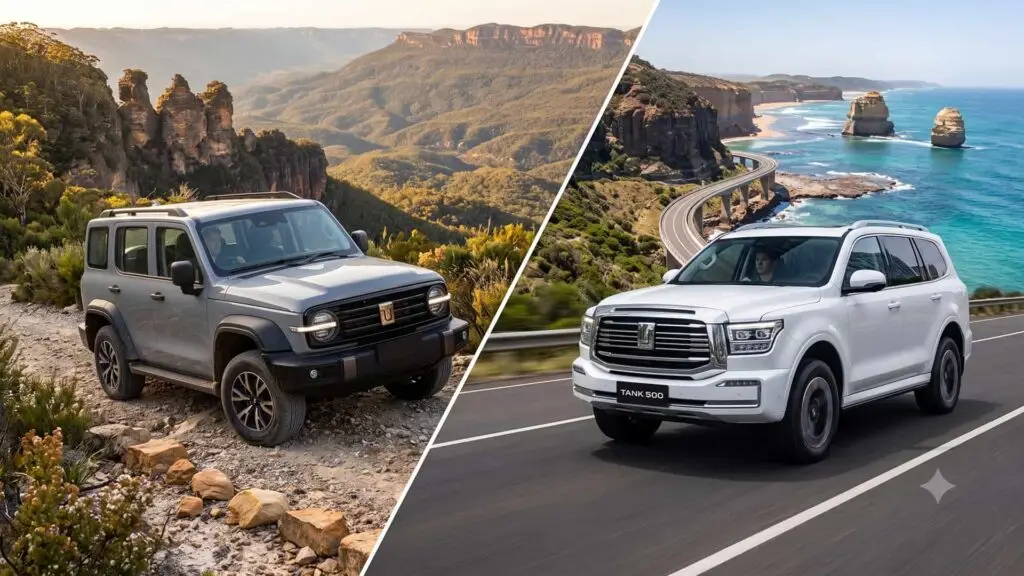
The Tank range is where GWM gets genuinely exciting. The Tank 300 has body-on-frame 4×4 capability with three diff locks – the kind of spec sheet that makes Jeep Wrangler owners do a double take at the price. The Tank 500 is among the very few hybrids in SUV in Australia combining seven seats, proper off-road hardware, and 2,500kg towing capacity. Both score 5-star ANCAP.
Coming soon: At least seven new models across five sub-brands in 2026, including the premium Wey brand and a 3.0L diesel option for the Cannon and Tank 500. They’re not slowing down.For the full model breakdown, see our GWM SUV range guide.
3. Zeekr – The Premium Disruptor
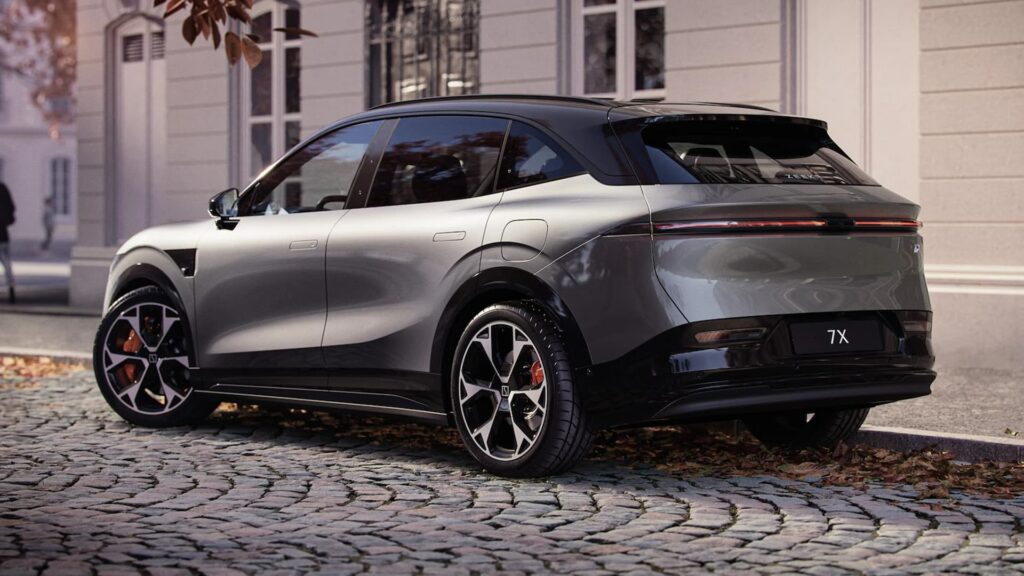
The headline feature is 800V architecture across the range. The Zeekr 7X charges from 10-80% in 13 minutes. Thirteen. Most competing EVs take 25-40 minutes. That’s not an incremental improvement – that’s a different conversation entirely.Since launching in Australia in late 2024, Zeekr hasn’t so much built momentum as detonated it. The 7X received over 1,000 deposits within seven days of orders opening, exceeded 2,500 orders by mid-October 2025, outsold sister brand Volvo by November, and became the number one premium electric SUV over $60,000 that same month. Adding to the achievements, Zeekr 7x was named Drive’s Best Medium SUV for 2026 in the Family Car Category. – for a brand most people hadn’t heard of a year ago, that’s ridiculous!
Who it’s for
People who’d normally be cross-shopping BMW, Tesla, or Polestar and who are starting to wonder why they’d pay the European premium for technology that isn’t cutting edge anymore. Zeekr is the top choice for existing EV owners looking to upgrade. It is also a top choice for Australians open to change from luxury petrol brands. Both groups tend to care about tech more than badge.
Where it dominates
EVs with unparalleled charging speeds and luxury. Zeekr is backed by Geely – the same group that owns Volvo and Polestar – and it shows. These aren’t budget EVs with a cheap interior and price tag; they’re genuine premium vehicles that happen to cost less than the established competition while being, in several measurable ways, better.
The Zeekr 7X RWD is available in:
- Sydneyfrom $395.00/weekView
Key models
| Model | From (drive-away pricing) | Best For |
| Zeekr X | $48,900 | Compact premium EV, city driving |
| Zeekr 7X | $62,913 | Mid-size premium EV, families |
| Zeekr 009 | $122,216 | Electric people mover, luxury |
Pricing as of April 2026
The Zeekr X scored the title of Safest Pure EV in Australia for 2024, while the 7X earned 5-star ANCAP with 91% adult occupant protection – one of the highest scores in its class.
No pricing information available for ssss X.Coming soon: The 8X Super Hybrid – Zeekr’s first PHEV – is expected in 2027. That opens the door for buyers who aren’t ready to go full electric but still want that 800V-era tech.
4. Jaecoo – The Adventure-Ready Newcomer
Who it’s for
Families who want something that looks like it could handle a fire trail but mostly does school runs and weekend camping trips. Nothing wrong with that as most SUVs sold in Australia never leave the bitumen, so you might as well get one that looks good.
Where it dominates
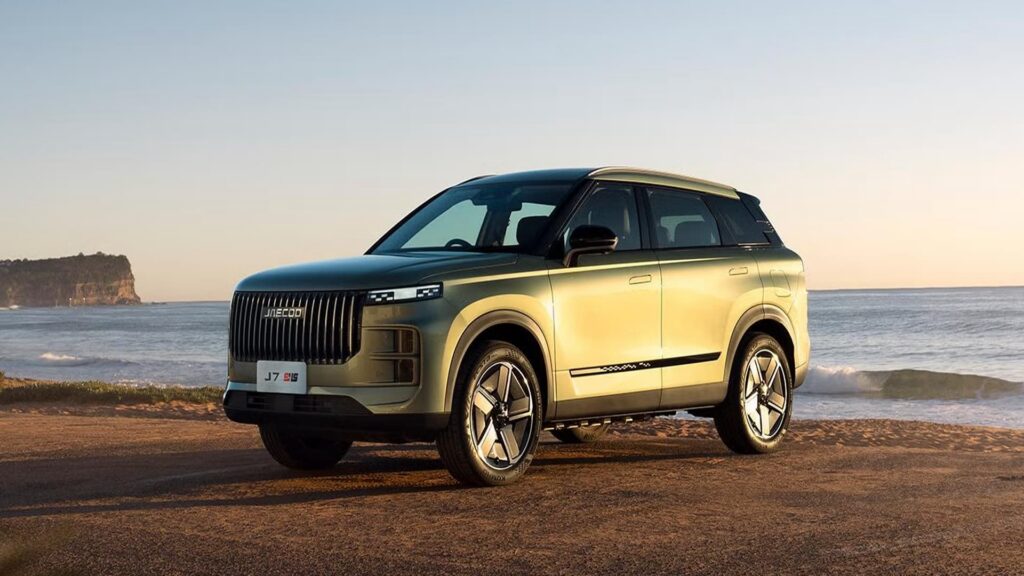
Rugged-styled family SUVs at sharp prices. Jaecoo only launched in Australia in May 2025, making it the newest brand on this list. But Chery Group (its parent company) clearly learned from the Tiggo playbook: load up the spec sheet, undercut the competition and let the value proposition do the talking.
The J7 starts at $33,990 driveaway for a well-equipped mid-size SUV – that’s RAV4 territory with a more standard kit. Step up to the J7 Ridge AWD and you get genuine all-wheel drive with decent ground clearance. The J7 SHS Summit PHEV adds plug-in hybrid tech to the mix.
No pricing information available for ssss J7 SHS Hybrid.Key models
| Model | From (drive-away pricing) | Best For |
| J7 Core 2WD | $33,990 | Value mid-size SUV |
| J5 EV Summit | $36,990 | Family friendly EV |
| J7 Track 2WD | $37,990 | Extra tech & convenience |
| J7 SHS Summit PHEV | $47,990 | Plug-in hybrid value |
| J8 | $54,990 | Large SUV |
Pricing as of April 2026
The Jaecoo J7 Track is available in:
- Sydneyfrom $255.00/weekView
The J7 has already earned a 5-star ANCAP rating.
5. MG – The Established Challenger
Who it’s for
First-time buyers, growing families, and anyone who wants a recognisable badge with aggressive pricing. MG has the longest track record in Australia of any brand on this list, and the broadest lineup – from the sub-$20,000 MG3 hatchback to the QS 7-seat SUV.
Who it’s for
Volume and variety across every major segment. MG has been the gateway Chinese brand for manyAustralian buyers. For years, the MG3 was the cheapest new car you could buy and the ZS and HS built a loyal following in the SUV space.
But 2025 was a reality check. Sales dropped 18.4% year-on-year as newer Chinese competitors ate into MG’s value advantage. However, MG’s response has been bullish and they are launching a raft of new models including the MG 7 fastback sedan, QS 7-seat SUV, U9 ute, and premium IM-branded EVs.
Key models
| Model | From (drive-away pricing) | Best For |
| MG ZS | $22,990 | Budget compact SUV |
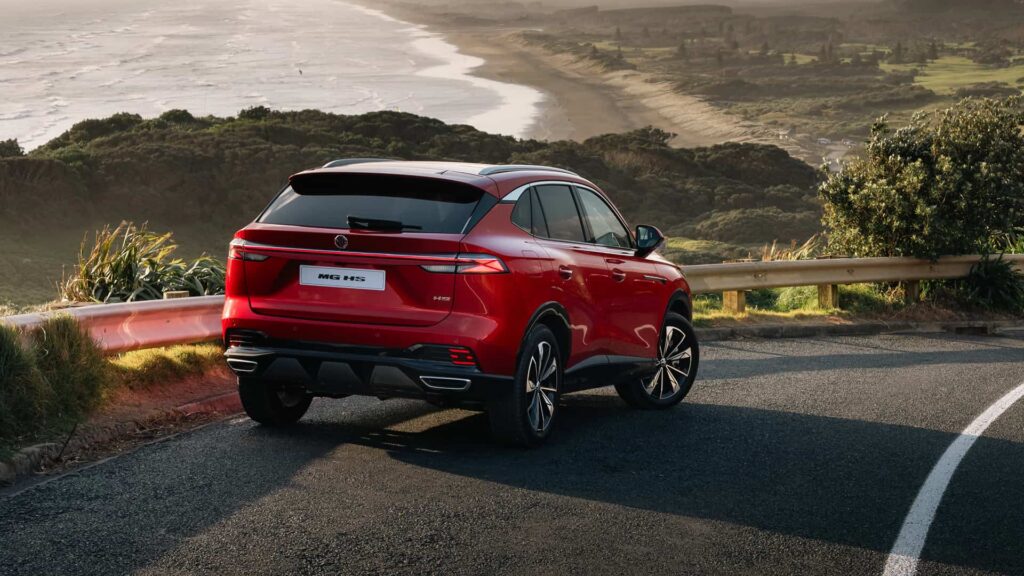
| MG HS | $33,990 | Mid-size family SUV |
| MG HS Super Hybrid | $43,990 | Mid-size PHEV |
| MG4 | $30,990 | Affordable electric hatch |
Pricing as of April 2026
The MG HS was a finalist for Wheels Car of the Year 2025-26, and both the MG 7 and refreshed ZS earned 5-star ANCAP ratings. MG also offers iSMART connectivity – smartphone remote control, digital key sharing, and live vehicle monitoring – across its newer models.
The MG HS is available in:
- Sydneyfrom $265.00/weekView
The MG 4 is available in:
- Sydneyfrom $275.00/weekView
Why Consider an Emerging Brand?
The “cheap car” stereotype doesn’t hold up anymore
Five years ago, buying a Chinese car meant accepting compromises – tinny interiors, questionable safety, and a badge you’d rather not explain at the school car park.
That era is over.
Every brand on this list offers 5-star ANCAP safety ratings across their core models and feature lists at $30,000-$40,000 that routinely match or exceed what established brands offer at $50,000+.
The technology gap has closed too. GWM’s plug-in hybrids offer over 100km of pure electric range. Zeekr’s 800V architecture charges faster than anything from BMW or Mercedes in the same price bracket. Chery’s upcoming diesel PHEV ute is a world-first that no established manufacturer has attempted.
| Segment | Thinking about | Also consider |
| Mid-size hybrid | Mitsubishi Outlander PHEV | Chery Tigo 7 Super Hybrid |
| Family SUV with AWD | Toyota RAV4 GXL AWD | Jaecoo J7 Ridge AWD |
| Off-road 7-seater | Toyota Prado | GWM Tank 500 HEV |
| Premium EV | Tesla Model Y Long Range | Zeekr 7X |
You’re not sacrificing safety, warranty coverage, or core features. You’re paying less for comparable (and sometimes superior) equipment.
Look beyond the badge
The brands building these cars aren’t startups. Chery has been manufacturing vehicles since 1997 and sells in over 80 countries. GWM has been in Australia since 2009 and has sold over 200,000 vehicles here. Zeekr is backed by Geely, one of the world’s largest automotive groups. MG’s parent company, SAIC, is China’s largest automaker.
These are serious manufacturers with serious engineering resources. The question isn’t whether they can build good cars – the question is whether brand perception and resale values have caught up yet.
And that’s where subscription comes in.
Lower resale value is not a reflection of build quality
Here’s the honest conversation about emerging brands that most articles skip.
While the products from brands like Chery, GWM, Jaecoo, and Zeekr are already highly competitive, boasting impressive safety ratings and generous warranties, their financial track record in the Australian market is still being written. Historically, establishing a strong resale value takes decades of consistent performance, as seen with the long journeys of Toyota and Hyundai. Consequently, it is an industry fact that emerging brands tend to depreciate faster than established marques; for instance, selling a new Chery Tiggo 4 after three years will likely result in a larger percentage of value loss compared to a Corolla Cross or Mazda CX-30.
This is not a reflection of build quality, but rather a reflection of brand maturity. For most buyers, this rapid depreciation represents the single biggest financial risk of choosing an emerging brand, making car subscription an ideal way to enjoy the latest tech and luxury without worrying about future market value.
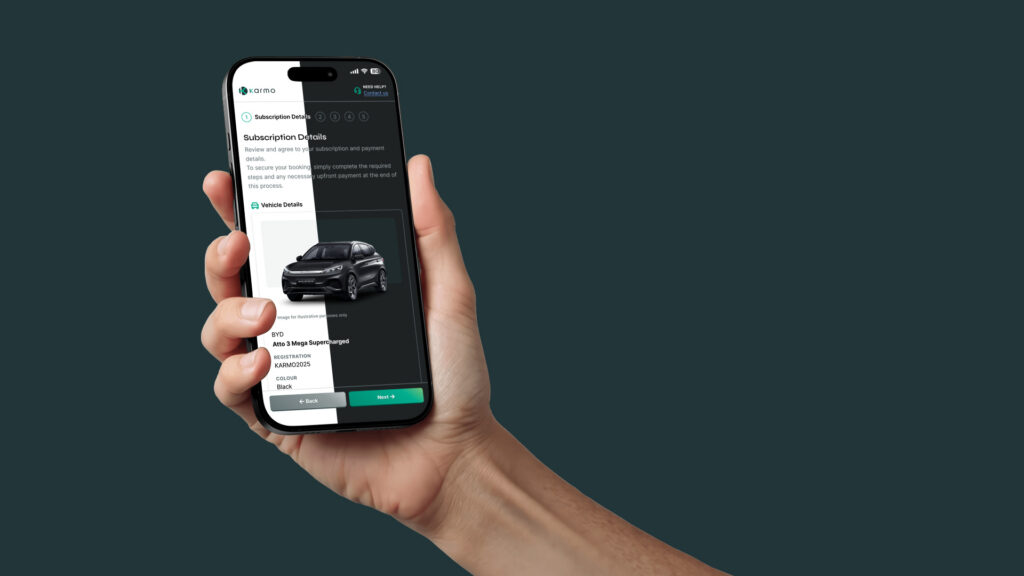
Enjoy the value without the risk on Karmo
This is exactly where car subscription with Karmo changes the equation.
With a Karmo subscription, you get:
- The value – drive a well-equipped, near-new vehicle from an emerging brand at a competitive weekly rate
- No depreciation risk – you never need to sell the car, so resale value is irrelevant
- Insurance, rego, and servicing included – one regular, fixedpayment covers everything
- The freedom to switch – if the brand doesn’t suit you after a few months, swap to something else. No trade-in negotiations, no private sale hassle
- A genuine test drive – a 20-minute test drive at the dealer tells you nothing. A few months of real ownership tells you everything
The bottom line
The Australian car market is changing faster than most people realise. Brands that barely registered five years ago are now outselling names that have been here for decades. The products are good. The safety ratings are proven. The value is undeniable.
The remaining uncertainty is around resale value and long-term brand presence – and that’s a legitimate concern if you’re buying. But if you’re subscribing, that concern disappears entirely.
Whether you’re curious about Chery’s value play, GWM’s off-road capability, Zeekr’s premium EV tech, Jaecoo’s family-friendly newcomer approach, or MG’s expanding range – subscription lets you experience them without commitment or risk.
Ready to try an emerging brand?