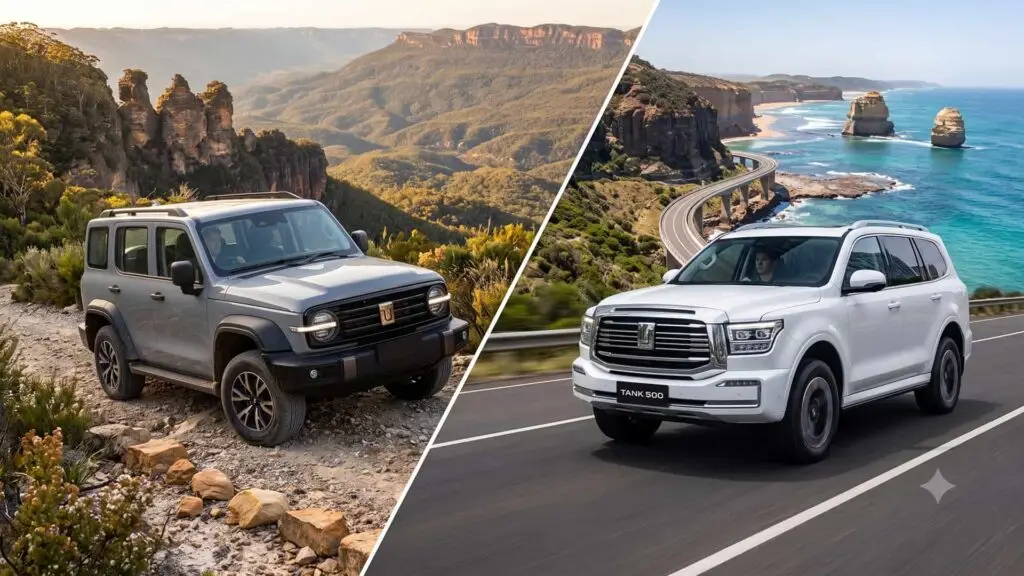
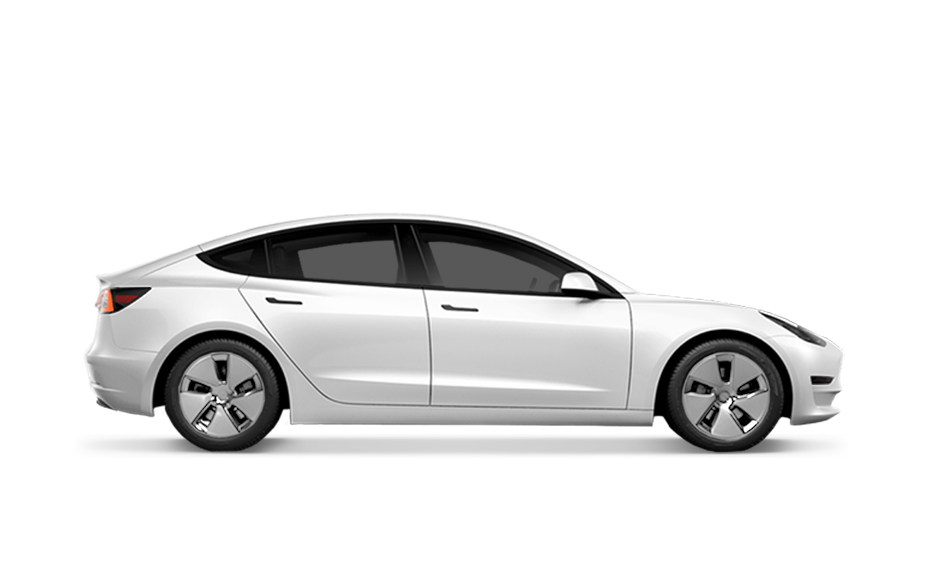
GWM’s Tank sub-brand has carved out serious ground in Australia’s off-road SUV market. It offers genuine 4×4 capability at prices that comfortably undercut legacy giants like the Toyota Prado and Ford Everest, but each model serves completely different lifestyles. (For an overview of the full GWM SUV range, including the Haval models, see our complete GWM guide.)
The Tank 300 is a compact trail weapon designed to conquer tight weekend tracks. While the Tank 500 is a commanding, luxury-laden touring machine built for long-haul family road trips. Choosing the right one means moving past the spec sheets and looking at how they perform in the real world. To help you make the right choice, this deep dive pits them head-to-head across six critical pillars:
- Size and seating: Balancing inner-city parking agility against genuine 7-seat practicality.
- Off-Road geometry: Baring the Tank 300’s superior clearance angles against the Tank 500’s deeper river-wading technology.
- Powertrain diversity: Sifting through GWM’s expansive lineup of petrol, new 2.4L diesel, and high-output plug-in hybrid (PHEV) options.
- Cabin luxury and tech: Choosing between hard-wearing trail utility and an executive-level oasis.
- Towing stability: How wheelbase length drastically shifts tracking composure when hauling heavy loads.
- ANCAP safety: Examining real-world crash testing and occupant protection scores.
Whether you’re gearing up to conquer the technical ruts of the Victorian High Country or planning a luxury family run down the Gibb River Road, here is our honest breakdown.
Quick comparison
| Spec | Tank 300(Lux Petrol) | Tank 500(Lux Hybrid) |
| Size | Medium | Large |
| Seats | 5 | 7 |
| Length | 4,760mm | 5,070mm |
| Driveaway From | $47,990 | $64,490 |
| Powertrain | Petrol / Diesel / PHEV | Hybrid / PHEV |
| Towing | 2,500kg | 3,000kg |
| Wading Depth | 700mm | 800mm |
| Best For | Trail driving, weekenders | Family touring, long trips |
Prices as of June 2026. Check GWM Australia for current offers.
The GWM Tank 300 Lux is available in:
 Sydneyfrom $350.00/weekView
Size and seating
This is the clearest difference.
The Tank 300 is a medium SUV with 5 seats. At 4,760mm long, it’s more manoeuvrable on tight trails and easier to park in the suburbs. Think modern Jimny mentality, but with proper interior space and highway comfort.
The Tank 500 stretches to 5,070mm with three rows and 7 seats. The third row is genuinely usable for kids or shorter adults and not just as an emergency bench. With all seats up, boot space is tighter, but fold the third row and you’ve got a proper cargo area. If you’re after larger SUVs, check out our blog on the best large family SUVs.
The question: Do you need those extra seats regularly, or just occasionally? If it’s occasional, the Tank 300’s more agile dimensions might serve you better day-to-day.
Off-Road capability
Both Tank models feature body-on-frame construction – a proper ladder-frame chassis like the Prado and LandCruiser, not the monocoque designs of soft-roaders like the RAV4 or CX-5. This matters for serious off-road use.
| Off-Road Spec | Tank 300 | Tank 500 |
| Approach Angle | 33° | 29° |
| Departure Angle | 34° | 24° |
| Breakover Angle | 23.1° | 22.5° |
| Wading Depth | 700mm | 800mm |
| Ground Clearance | 224mm | 224mm |
| 4WD System | Part-time / Full-time | Full-time AWD |
| Low Range | Yes | Yes |
| Diff Locks | Front, centre, rear | Centre, rear |
What the numbers mean in the real world
The Tank 300 holds the upper hand on extreme off-road geometry. Its superior approach (33° vs 30°) and departure (33° vs 24°) angles mean it can conquer steep, technical obstacles without scraping its bumpers. Combined with a shorter, nimbler wheelbase, the Tank 300 is purpose-built for tight single-trail exploring, rocky switchbacks, and demanding environments like Cape York or the Victorian High Country where vehicle size and agility matter most.
Conversely, the Tank 500 is engineered for long-haul outback touring, beach driving and open station tracks allowing interior space and family comfort to reign supreme. For deep river crossings, it brings a superior wading depth (800mm vs 700mm). Remarkably, despite its large 7-seat footprint, its 22.5° breakover angle is nearly identical to the smaller 300’s (23.1°) ensuring it won’t easily high-center or scrape its belly on undulating terrain. If you are tackling a corrugated bucket-list trek like the Gibb River Road with a full car of passengers, the Tank 500’s tracking stability and cabin space make it the definitive choice.
Powertrain options
GWM offers different engine choices across each model to suit different driving styles. To help you compare them easily, we have consolidated all the available variants into a single comprehensive table:
| Model | Variant | Engine Type | Power / Torque | Combined Fuel Economy |
| Tank 300 | Lux Diesel | 2.4L Turbo Diesel | 135kW / 480Nm | ~7.8L / 100km |
| Ultra Petrol | 2.0L Turbo Petrol | 162kW / 380Nm | ~9.5L / 100km | |
| Ultra Diesel | 2.4L Turbo Diesel | 135kW / 480Nm | ~7.8L / 100km | |
| Lux PHEV | 2.0L Turbo + Electric (Plug-in) | 300kW / 750Nm | ~1.9L / 100km | |
| Ultra PHEV | 2.0L Turbo + Electric (Plug-in) | 300kW / 750Nm | ~1.9L / 100km | |
| Tank 500 | Lux HEV | 2.0L Turbo Hybrid (Self-Charging) | 255kW / 648Nm | ~8.5L / 100km |
| Ultra PHEV | 2.0L Turbo + Electric (Plug-in) | 300kW / 750Nm | ~2.1L / 100km |
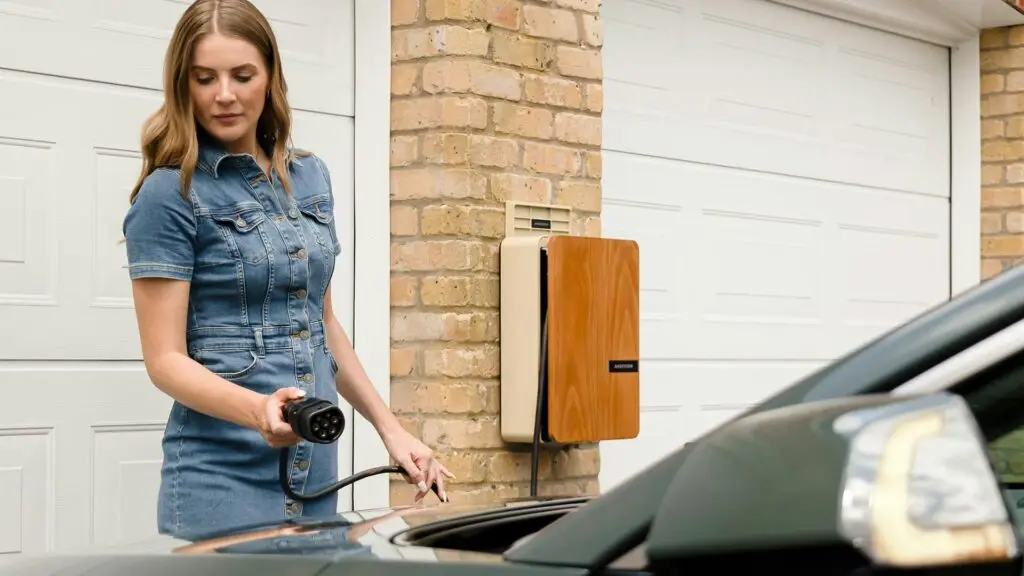
Choosing your engine depends entirely on your lifestyle. For the Tank 300, the 2.4L Turbo Diesel provides excellent low-down torque and extended range for remote outback touring. If city driving is your priority, the PHEV variants unleash a massive 300kW/750Nm with pure-electric commuting ranges (~105km for the 300; ~120km for the 500) without sacrificing weekend 4×4 freedom. The Tank 500 engines are all electrified to a degree. For those avoiding charging cables, the Tank 500 self-charging Lux HEV slashes fuel consumption on your daily drive without altering your driving habits. Which powertrain makes sense?
- Diesel (Tank 300 only): Best range, proven reliability for remote touring, easier to refuel in the outback
- Petrol (Tank 300 only): Simpler, cheaper servicing, adequate for weekend warriors
- HEV (Tank 500): Set-and-forget efficiency, no charging required, good for mixed use
- PHEV (both): Maximum power, lowest running costs if you have home charging, but heavier and more complex
A note on diesel and DPF: The Tank 300 diesel uses a DPF (diesel particulate filter) like all modern diesels. If you primarily do short urban trips, the DPF can clog – it needs regular highway driving or long runs to regenerate properly. The good news: the Tank 300 diesel has a manual DPF regeneration function. For city-based owners who occasionally go bush, the petrol or PHEV may actually be a smarter choice. If you’re doing regular long-distance touring, the diesel’s range advantage makes more sense.
Interior and features
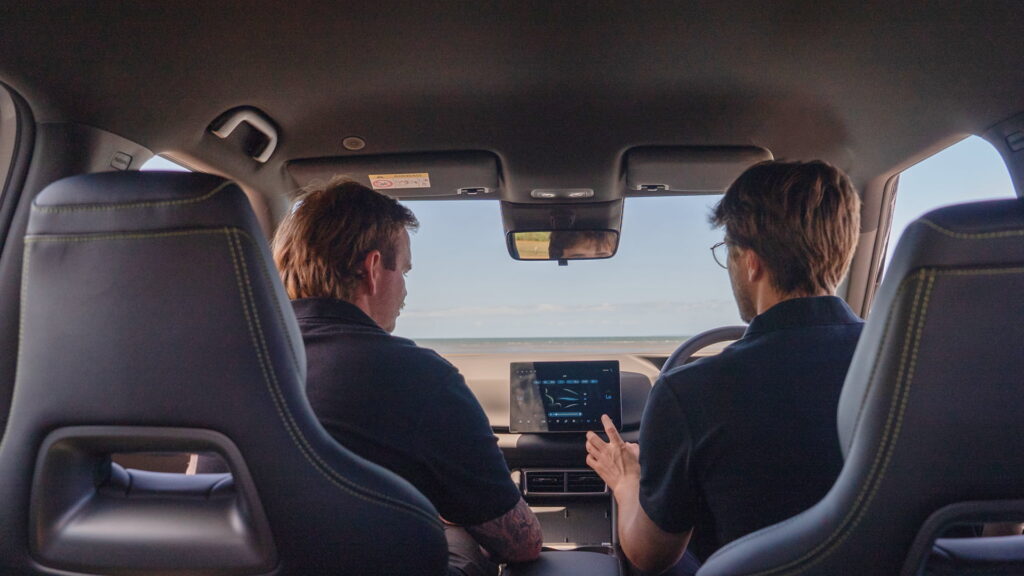
Stepping inside the cabin is where the true identities of these two 4x4s completely diverge. While GWM has loaded both vehicles with an incredible amount of standard technology, the execution is tailored to entirely different lifestyles. The Tank 300 balances a high-tech digital layout with rugged, hard-wearing utility. Meanwhile, the Tank 500 aims squarely at prestige luxury, prioritizing whisper-quiet family touring, expansive screens and first-class seating comfort.
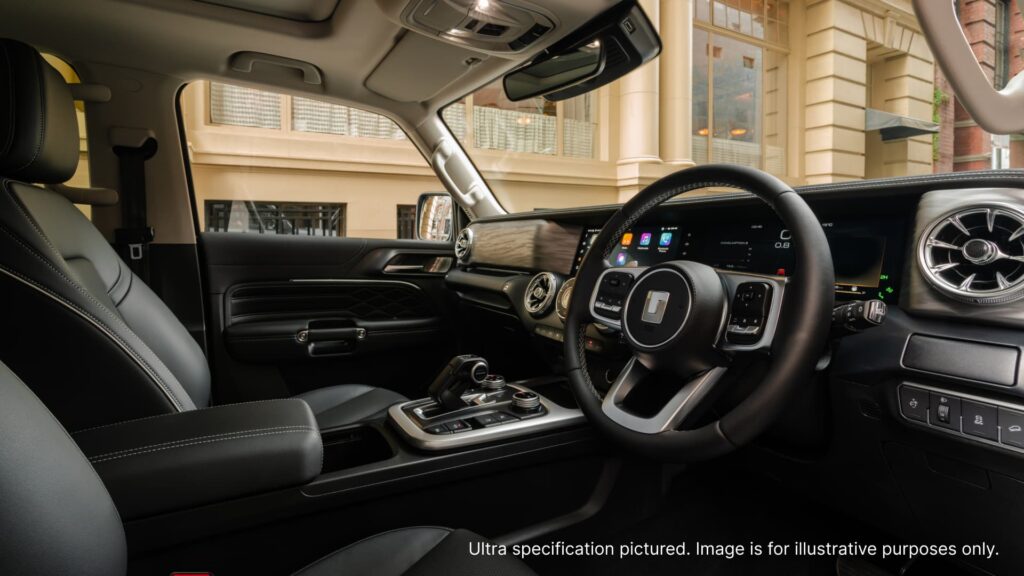
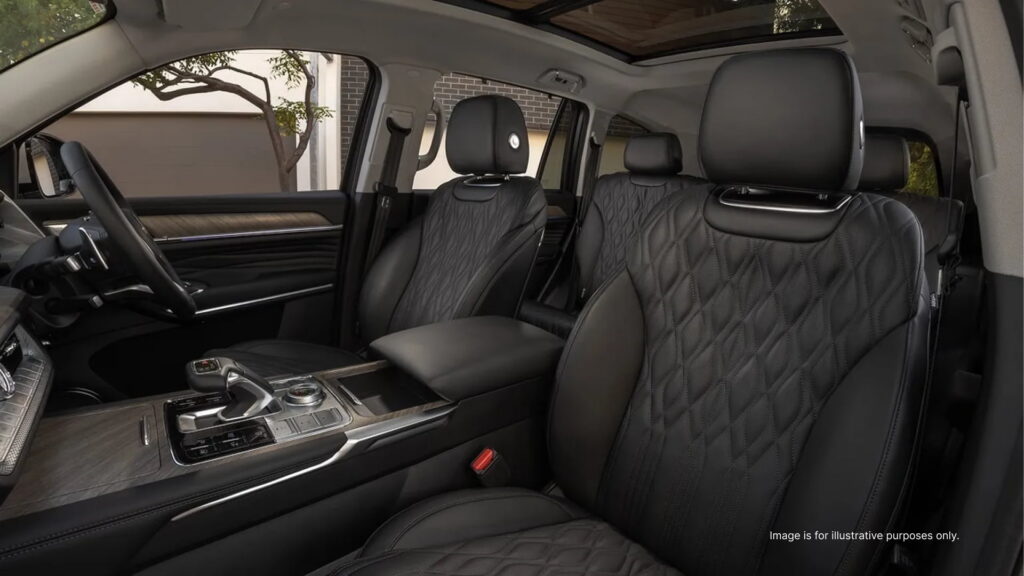
Here is how their interior specifications stack up side-by-side:
| Interior Feature | GWM Tank 300 | GWM Tank 500 |
| Infotainment Screen | 12.3-inch Touchscreen | 14.6-inch Ultra-Large Touchscreen |
| Driver Display | 12.3-inch Digital Cluster | 12.3-inch Digital Cluster + Heads-Up Display (HUD) |
| Seating Material | Comfort-Tek Faux Leather (Lux) or Genuine Nappa Leather (Ultra) | Premium Nappa Leather standard |
| Seat Comfort Features | Heated & Cooled front seats + Driver Massage (Ultra variants only) | Heated, Cooled & Massaging Front Seats + Heated & Cooled 2nd Row |
| Climate Control | Dual-Zone Climate Control | Three-Zone Climate Control (with independent rear controls) |
| Audio System | 8-Speaker (Lux) or 9-Speaker Premium Sound (Ultra) | 12-Speaker Infinity® Premium Sound System |
| Camera System | 360° Around-View Camera | 360° Around-View Camera with “Transparent Chassis” view |
Towing
The Tank 300 offers a braked towing capacity ranging from 2,500kg up to 3,000kg depending on the powertrain (with the Diesel and PHEV variants hitting the maximum tier). Meanwhile, the Tank 500 steps up the baseline with a flat 3,000kg maximum towing capacity standard across its entire range.While the Tank 300’s shorter wheelbase gives it an agile edge when maneuvering trailers down tight boat ramps, the Tank 500’s longer footprint provides significantly better tracking stability and composure at highway speeds when hauling a heavy load.
Safety
Both the Tank 300 and Tank 500 are equipped with a comprehensive suite of advanced safety features designed to prevent accidents before they happen. Standard across both models are autonomous emergency braking (AEB), adaptive cruise control, lane keep assist, blind-spot monitoring, rear cross-traffic alert, and 360-degree surround-view cameras.
ANCAP Safety Score Breakdown
| ANCAP Assessment Area | GWM Tank 300 (Tested 2022) | GWM Tank 500 (Tested 2024) |
| Overall Rating | ⭐⭐⭐⭐⭐ (5 Stars) | ⭐⭐⭐⭐⭐ (5 Stars) |
| Adult Occupant Protection | 88% | 85% |
| Child Occupant Protection | 89% | 93% |
| Vulnerable Road User Protection | 81% | 81% |
| Safety Assist Technologies | 85% | 74% |
Tank 300 vs Tank 500: Strengths & Trade-offs at a Glance
This side-by-side comparison highlights exactly where each vehicle excels and where you have to make a compromise.
| Vehicle Model | Core Strengths | Key Trade-offs |
| GWM Tank 300 | Highly agile on tight, technical 4×4 trails. More accessible entry price and the 2.4L Turbo Diesel option available for extended outback range Easier to live with on the daily (stress-free city parking) | 5 seats only – no third-row option available. More rugged cabin trim with less premium noise isolation. Smaller overall cargo boot capacity. Diesel variants require regular highway runs for DPF maintenance |
| GWM Tank 500 | Genuine 7-seat capacity (on Hybrid variants) and elite cabin refinement, premium materials, and a whisper-quiet ride. Superior 800mm water wading depth Exceptional comfort for long-distance highway touring | Bulkier dimensions make it less nimble on tight, rocky tracks. Premium tier entry price. No diesel variant available (Hybrid or PHEV only) Its imposing footprint makes tight metropolitan carparks a challenge. |
Which Tank Should You Choose?
Choose the Tank 300 if:
- You are serious about technical 4×4 tracks: The shorter wheelbase and aggressive clearance angles make it the superior pick for tight, rocky trails and weekend off-road trips.
- A 5-seat cabin fits your lifestyle: You don’t require a third row and prefer a more agile, compact footprint that is easy to park and maneuver around city streets during the week.
- You want a Turbo Diesel for remote outback touring: The 2.4L diesel engine option gives you the traditional long-distance range and low-down torque desired for highway hauling.
- Upfront value is a primary driver: It delivers immense mechanical capability and high-end tech features while keeping your weekly budget in check.
The GWM Tank 300 Lux is available in:
- Sydneyfrom $350.00/weekView
Choose the Tank 500 if:
- You need genuine 7-seat family capacity: You require a legitimate third row for a larger family (just note that you’ll need to opt for the Hybrid variant, as the top-spec PHEV deletes the third row to house its battery).
- Elite comfort and highway refinement are non-negotiable: Long-distance interstate road trips are your primary use case, and you want active noise cancellation, executive leather seating and premium ride compliance.
- You are hauling heavier loads: You are towing a medium-sized caravan, horse float or boat that requires the superior stability of a longer wheelbase and a standard 3,000kg braked towing capacity.
- You want imposing luxury road presence: You have the flexibility in your budget to step up to and secure a prestige-level cabin environment that rivals prestige European or Japanese 4x4s.
Defeat Depreciation: Choose the clever way to car
Here’s the reality of buying a brand-new 4×4: the moment you drive off the dealership floor, you take a financial hit in depreciation. In today’s market, with rapidly evolving hybrid and PHEV powertrains, predicting what a vehicle will be worth in three to five years is a high-stakes gamble. This is especially true for emerging car brands like GWM – while the tech and luxury are incredible, locking yourself into a long-term finance contract means you inherit 100% of that resale risk.
A Karmo car subscription completely rewrites the script, allowing us to shield you from depreciation while keeping you in theperfect vehicle for your lifestyle. You can drive the rugged Tank 300 or the luxurious Tank 500 (or both, sequentially) on a flexible plan starting from just 4 months, ownership risk-free.
When you subscribe with Karmo, you get:
- Zero Depreciation Risk: We own the vehicle, meaning you never have to worry about the used-car market or future resale value.
- Low Upfront Costs: Get started with a low refundable bond (from $500) and $0 application or vehicle swap fees.
- Clear Convenience: one regular payment covers your new car, comprehensive insurance, registration, routine servicing and 24/7 roadside assist.
- Ultimate Flexibility: Swap between models or hand back the keys if your family or towing needs change.